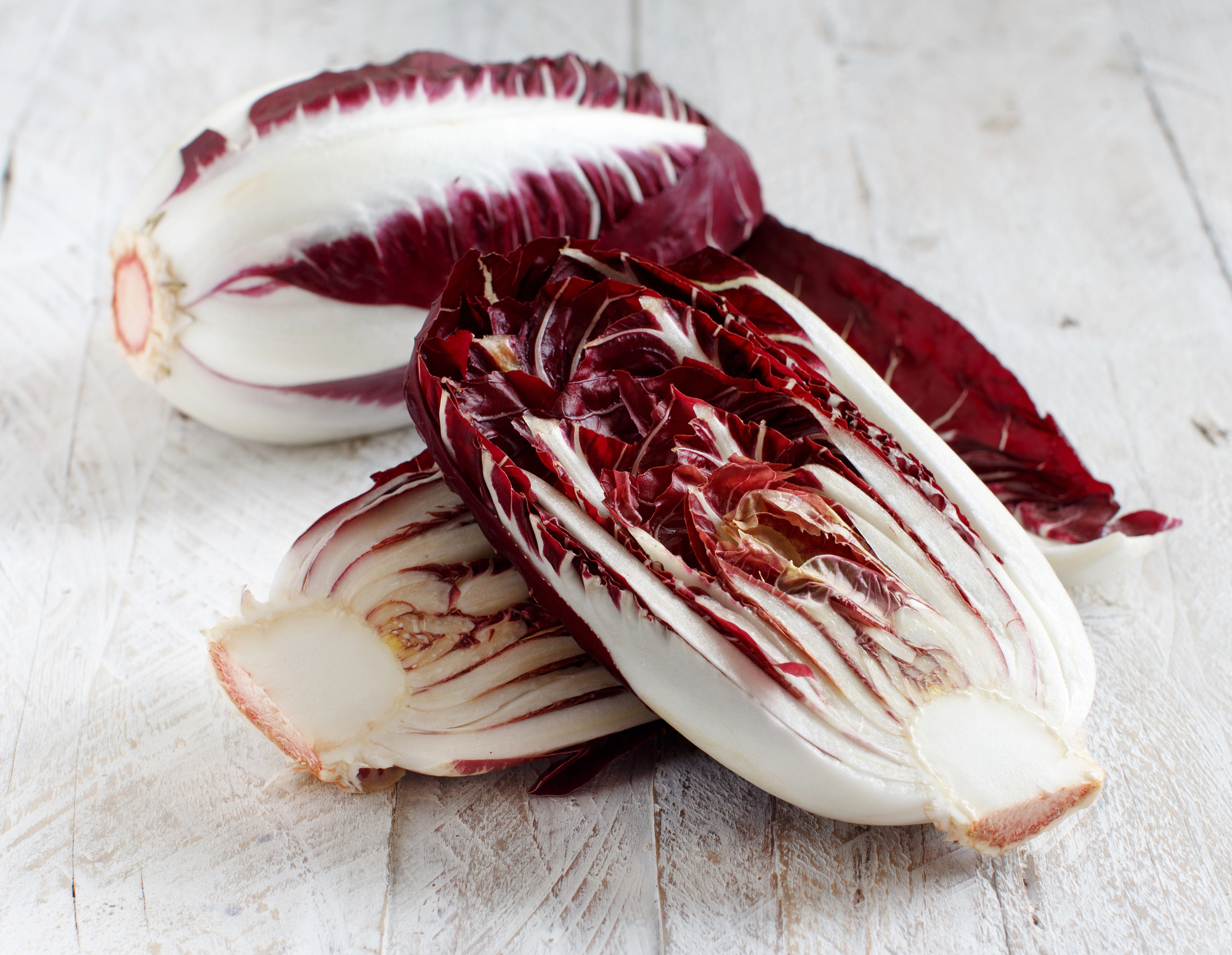
Overview Description Chicory is a perennial plant often grown as an annual or biennial for its leaves and roots. Its deep taproot can reach 30–50 cm (12–20 in) into the soil, enabling drought resilience and soil penetration. The erect, branched stems typically rise 60–120 cm (2–4 ft) in height […]
Category: Vegetables
Cowpeas (Black Eye Peas) – Growing Guide
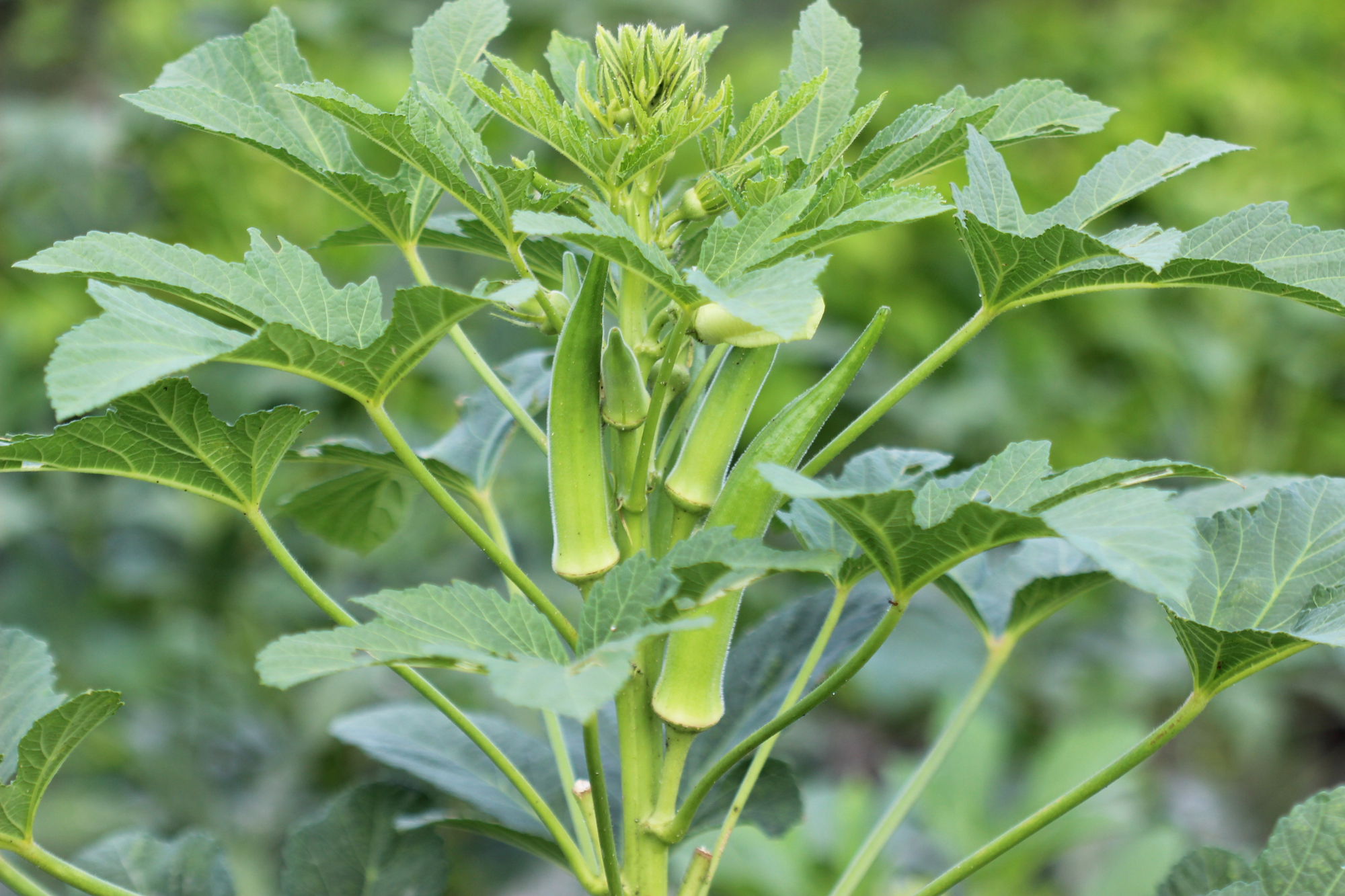
Overview Description Cowpeas are warm-season annual legumes grown primarily for their edible seeds, young pods, and occasionally leaves as a vegetable. Depending on the variety, they can display a wide variety of growth habits—erect, bushy, vining, or prostrate—with vining types reaching up to 1.8 m (6 ft) […]
Jerusalem Artichokes – Growing Guide
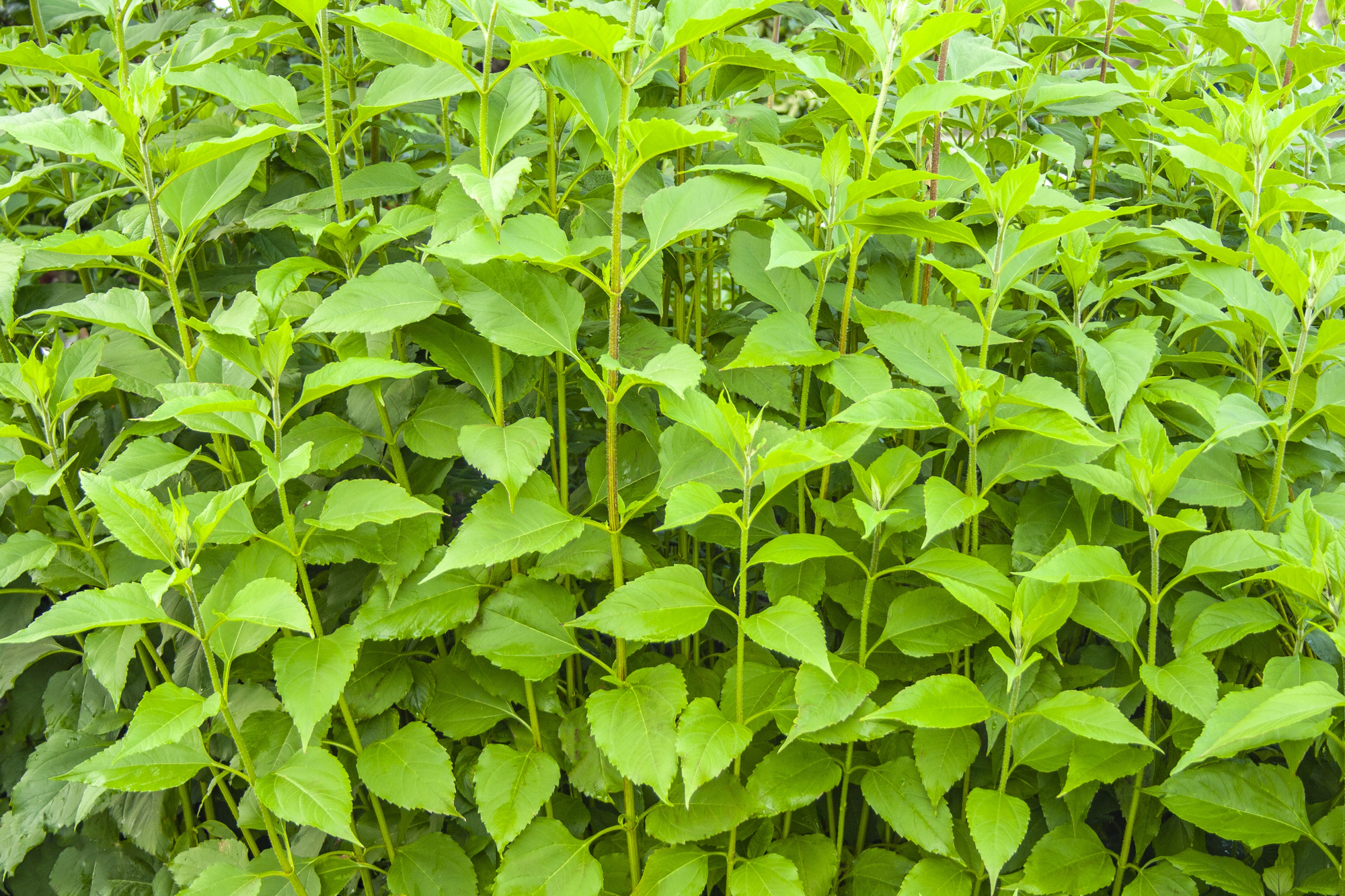
Overview Description Jerusalem artichokes—also known as “sunchokes”—are vigorous perennial plants cultivated for their edible underground tubers. A member of the sunflower family (Asteraceae), the plant produces tall, erect stems that typically grow 1.5–3 m (5–10 ft) high. Stems are often hairy and may branch near […]
Globe Artichokes – Growing Guide
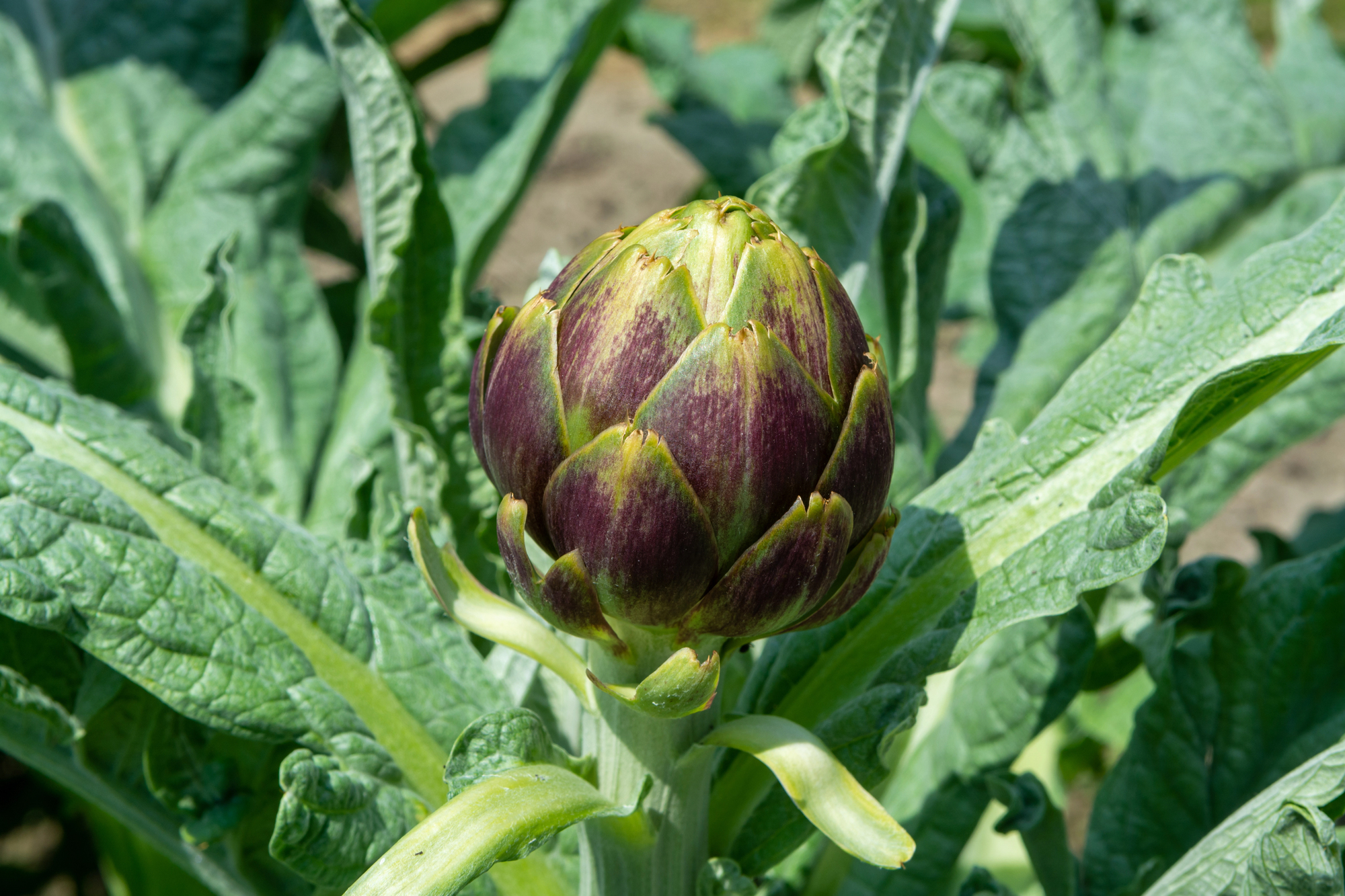
Overview Description Globe artichokes are tall, perennial plants cultivated primarily for their large, edible flower buds. Each plant typically grows to a height of 1.2 to 1.5 meters (4 to 5 feet) and spreads to about 90 to 120 centimeters (3 to 4 feet) wide. […]
Chinese Cabbage – Growing Guide
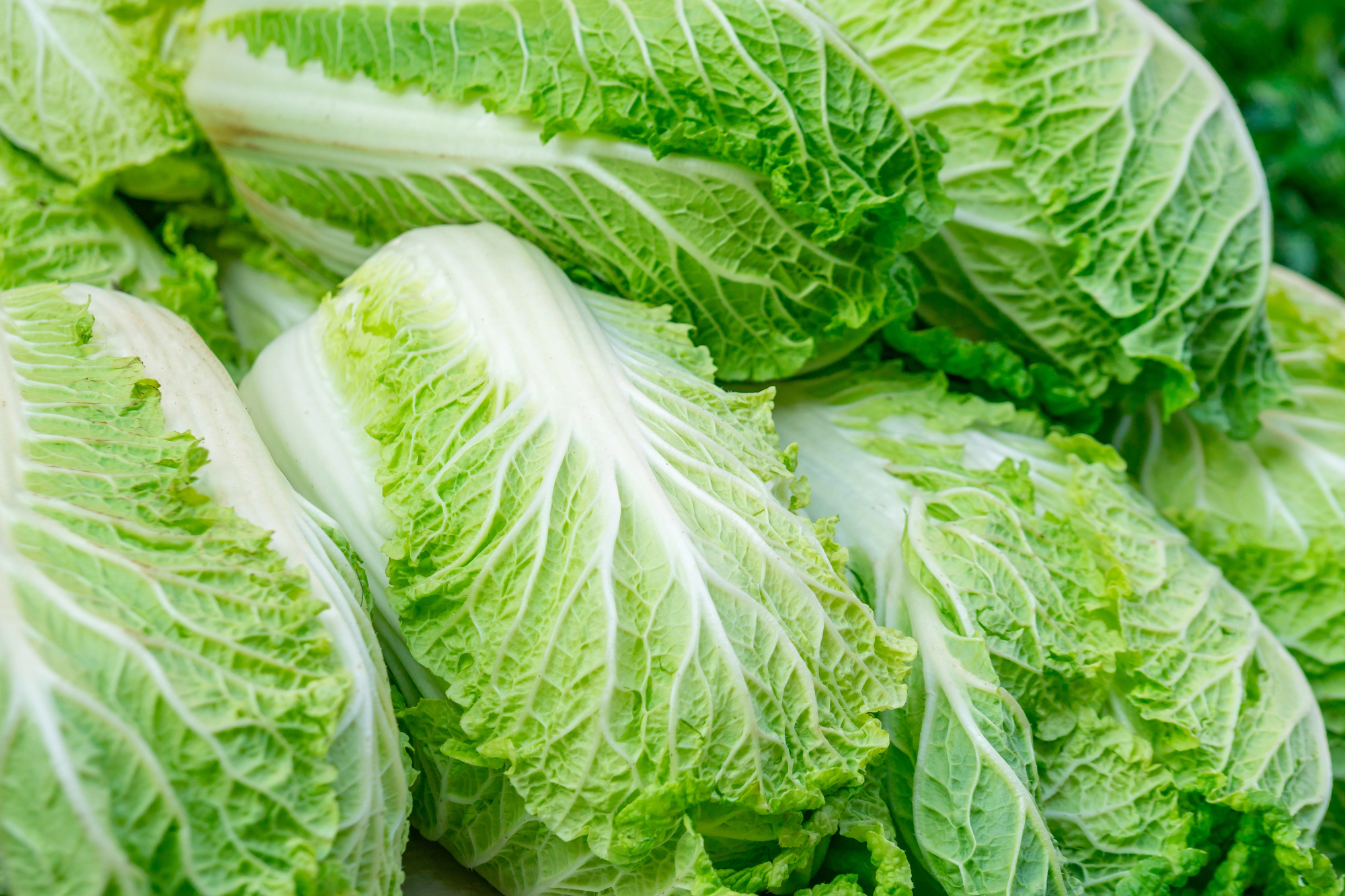
Overview Description Chinese cabbage (Brassica rapa subsp. pekinensis), also known as Napa cabbage or wong bok, is a cool-season biennial grown as an annual for its tender, mildly sweet leaves. It is a member of the Brassicaceae (mustard) family and is prized for its crisp […]
Corn Salad – Growing Guide
Overview Description Corn salad, also known as lamb’s lettuce or mâche, is an annual leafy vegetable grown for its small, tender rosettes of spoon-shaped leaves. These leaves typically form a low, compact clump measuring about 10–20 cm (4–8 in) tall and wide. The foliage is […]
Daikon – Growing Guide
Overview Description Daikon is an annual or biennial root vegetable characterized by its elongated, white taproot. Depending on the variety, roots can range from 20–60 cm (8–24 in) in length and 5–10 cm (2–4 in) in diameter, although there are also more rounded, shorter cultivars […]
Burdock – Growing Guide
Overview Description Burdock (Arctium spp.) is a biennial plant native to Europe and Asia, naturalized in many temperate regions worldwide, including North America and Australia. It belongs to the Asteraceae (daisy) family and is best known for its edible taproot, traditionally used in Asian and […]
Endive – Growing Guide
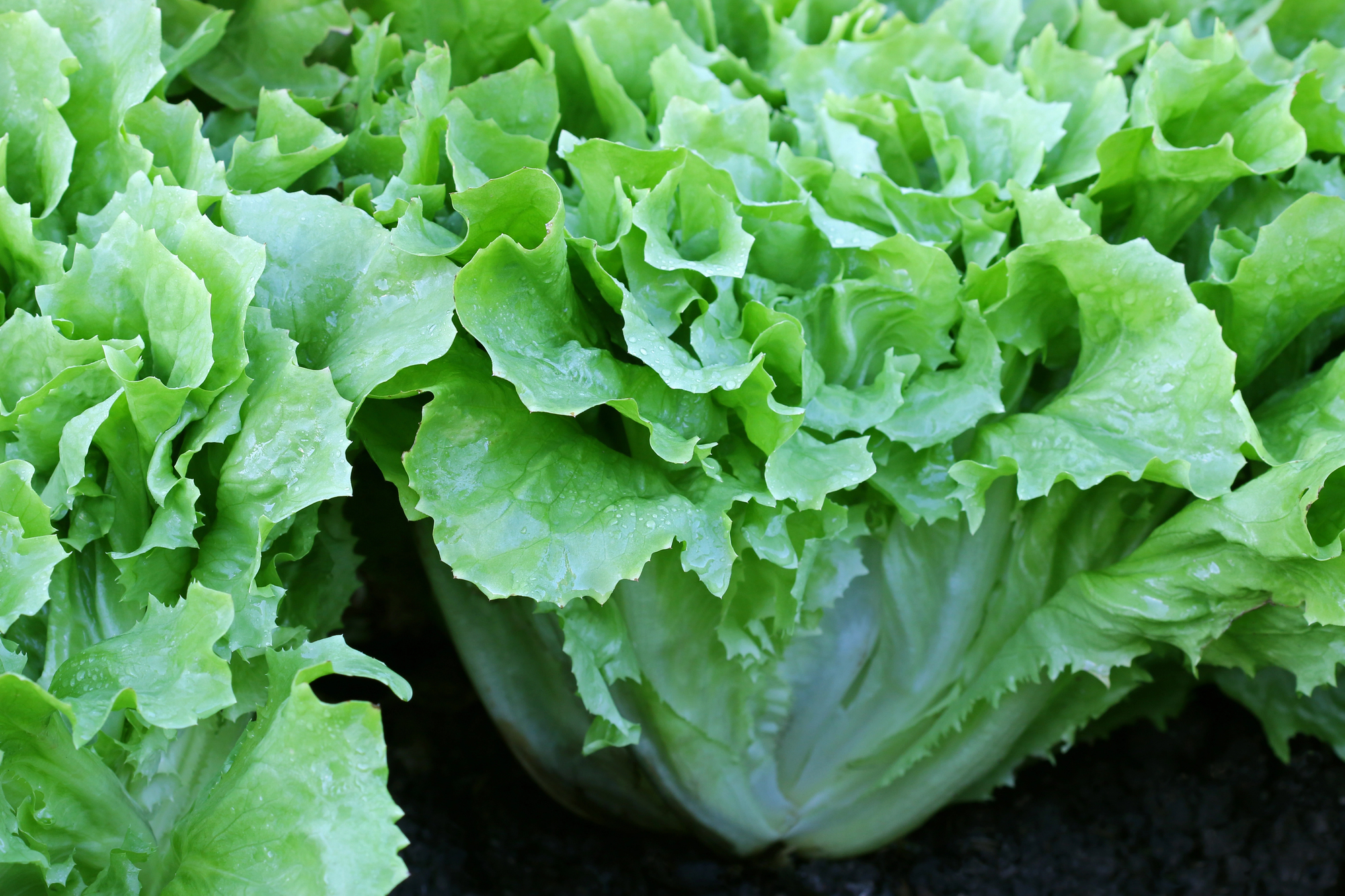
Overview Description Endive is a cool-season leafy vegetable generally grown as an annual. It forms a dense rosette of frilly, lobed leaves, which can be broad and curly (frisée) or slightly flatter (escarole). Mature plants often measure 20–40 cm (8–16 in) high and equally wide, […]
Parsnip – Growing Guide
Overview Description Parsnip is a biennial plant in the Apiaceae family, closely related to carrots, celery, fennel, and parsley. It is typically grown as an annual vegetable for its edible taproot, which develops during the first year of growth. In the second year, if not […]
Collard Greens – Growing Guide
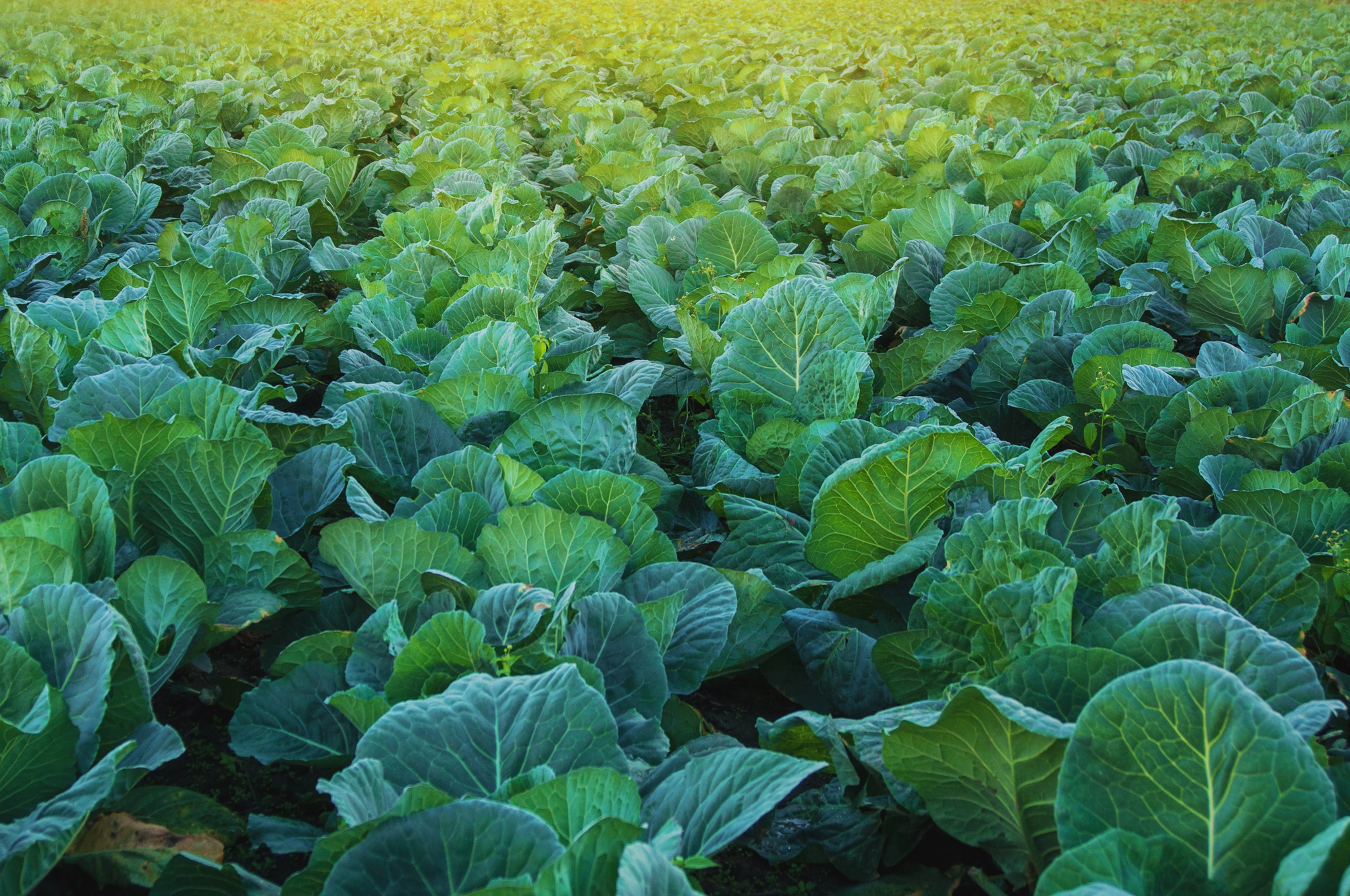
Overview Description Collard greens (also known as tree cabbage or non-heading cabbage) are a leafy, non-heading, wild form of cabbage that is a biennial plant grown as annuals for their large, smooth, oval leaves. Plants have an erect, upright form and typically reach 60–90 cm […]
Mizuna – Growing Guide
Overview Description Mizuna is a cool-season leafy green with ling, thin, crip, upright growing stems and finely serrated, feathery leaves that form dense rosettes. There are several varieties of mizuna with different colored stems and leaves, including light green stems with darker green leaves, purple […]
Mustard Greens – Growing Guide
Overview Description Mustard greens are cool-season leafy vegetables known for their peppery taste (a hot mustard flavor) and quick maturity. Depending on the variety, the plants produce either upright rosettes or sprawling clumps of broad, lobed leaves with distinct vein patterns. Mature heights often range […]
Celeriac – Growing Guide
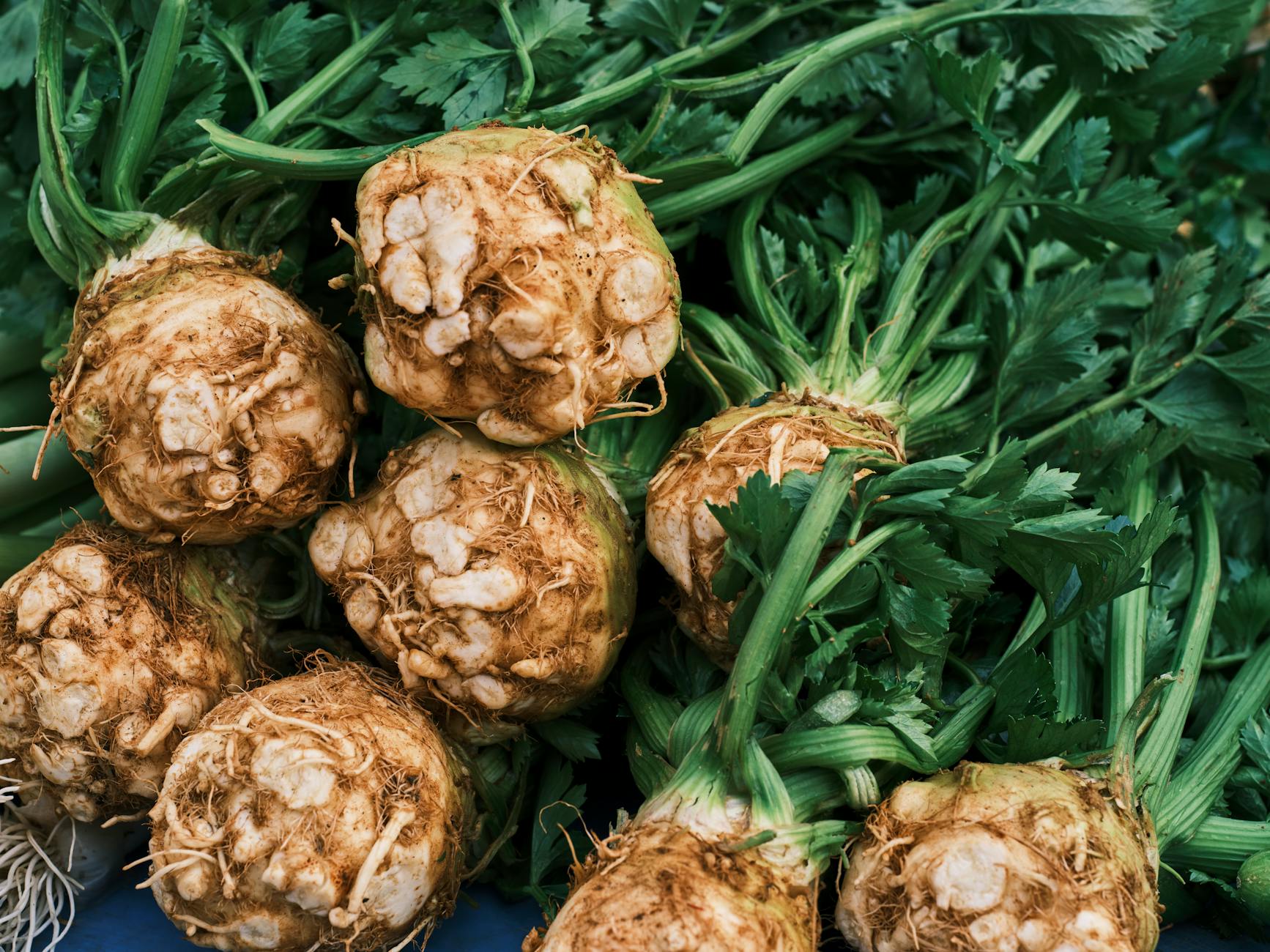
Overview Description Celeriac, also known as celery root, turnip-rooted celery, knob celery or German celery, is a cool-season biennial grown primarily for its crisp, celery-flavored, bulbous root. This knobby, globe-shaped root develops partially above the soil line and is actually a swollen stem base. Though […]
NZ Spinach (Warrigal Greens) – Growing Guide
Overview Description NZ spinach, also known as Warrigal greens, is a hardy perennial leafy green that thrives in hot, dry conditions where conventional spinach often fails. It can be grown as a warm-season stand-in for traditional spinach. This sprawling, heat-tolerant ground-cover plant with a prostrate […]
Sweet Corn – Growing Guide
Overview Description Sweet corn is an annual warm-season grass grown for its tender, sweet kernels. Plants typically reach 1.5–2.4 m (5–8 ft) in height with upright, jointed stems. Long, narrow leaves alternate along the stalk, with prominent leaf sheaths enclosing part of the stem. Sweet […]
Kohlrabi – Growing Guide
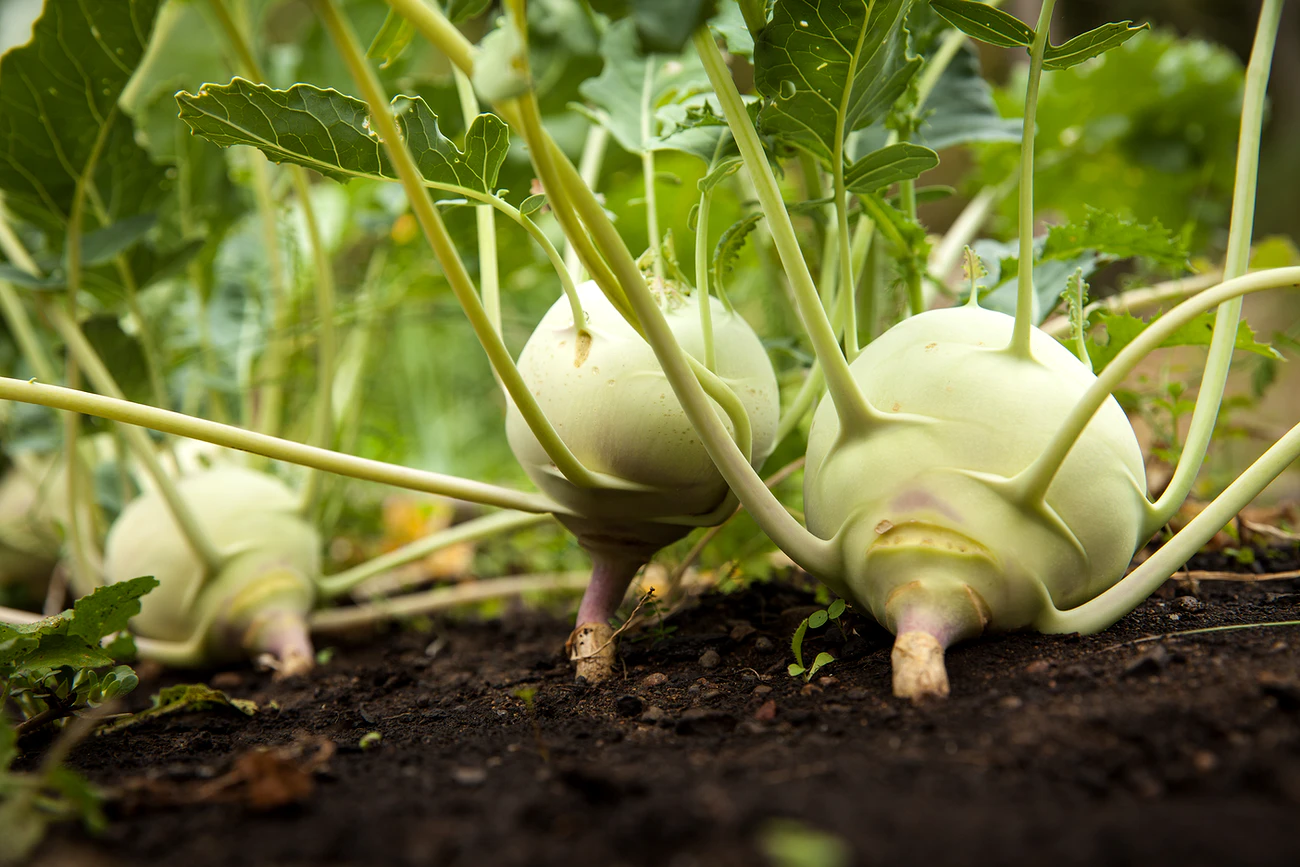
Overview Description Kohlrabi is a biennial vegetable most often grown as an annual for its swollen, globe-like stem, which is smooth, firm, resembles a turnip in appearance, and forms just above the soil surface. This enlarged stem—commonly called a “bulb,” though technically a thickened portion […]
Understanding the Scoville Scale: A Guide to Chili Pepper Heat Levels
The Scoville scale is the gold standard for measuring chili pepper heat, offering a way to quantify the spiciness of peppers, from the mild bell pepper to the record-breaking Carolina Reaper. Understanding this scale enhances culinary exploration by allowing spice enthusiasts to better gauge their […]
Pumpkin or Squash? Clearing Up the Confusing Regional Naming Differences
The naming of cucurbits, such as squash and pumpkins, varies significantly across regions, often leading to confusion. While these terms describe the same plants botanically, regional preferences and cultural traditions influence how they are named and categorized. Naming Conventions in United States and Canada In […]
How to Hand-Pollinate Pumpkin Plants: A Step-by-Step Guide
Pumpkin plants, like all cucurbits, require pollination for fruit development. These plants produce separate male and female flowers, with the female flowers being responsible for forming the pumpkins. While bees and other pollinators naturally carry out this process, hand-pollination can be an effective technique to […]
Pumpkin – Growing Guide
Overview Description Pumpkins (Cucurbita pepo and related species such as Cucurbita mixta, Cucurbita maxima, and Cucurbita moschata) are annual plants known for their sprawling growth habit, with vines that can extend 4.5 – 9 meters (15 -30 feet) in length. The plant typically grows to […]
Leek – Growing Guide
Overview Description Leeks are hardy biennial plants that are typically grown as annuals for their edible bulb and leaves, and reach a height of 60-90 cm (24-36 inches), depending on the variety and growing conditions. The plant has a clump-forming growth habit, and unlike onions, […]
Why Do My Cucumbers Taste Bitter? Causes and Solutions for Bitterness in Home-Grown Cucumbers
Cucumber bitterness is a common issue that can undermine the efforts of even the most diligent of home gardeners. This issue, rooted in the plant’s sophisticated defense mechanisms, can transform an anticipated crisp and refreshing harvest into sheer disappointment. Understanding the intricate biochemical processes behind […]
Onion – Growing Guide
Overview Description Onions are biennial plants, typically grown as annuals, primarily for their edible bulbs and green shoots. In their first year of growth, onions form a basal rosette of long, cylindrical leaves and develop a bulb underground. The plant’s leaves are hollow, tapering, and […]
Capsicum (Bell Pepper) – Growing Guide
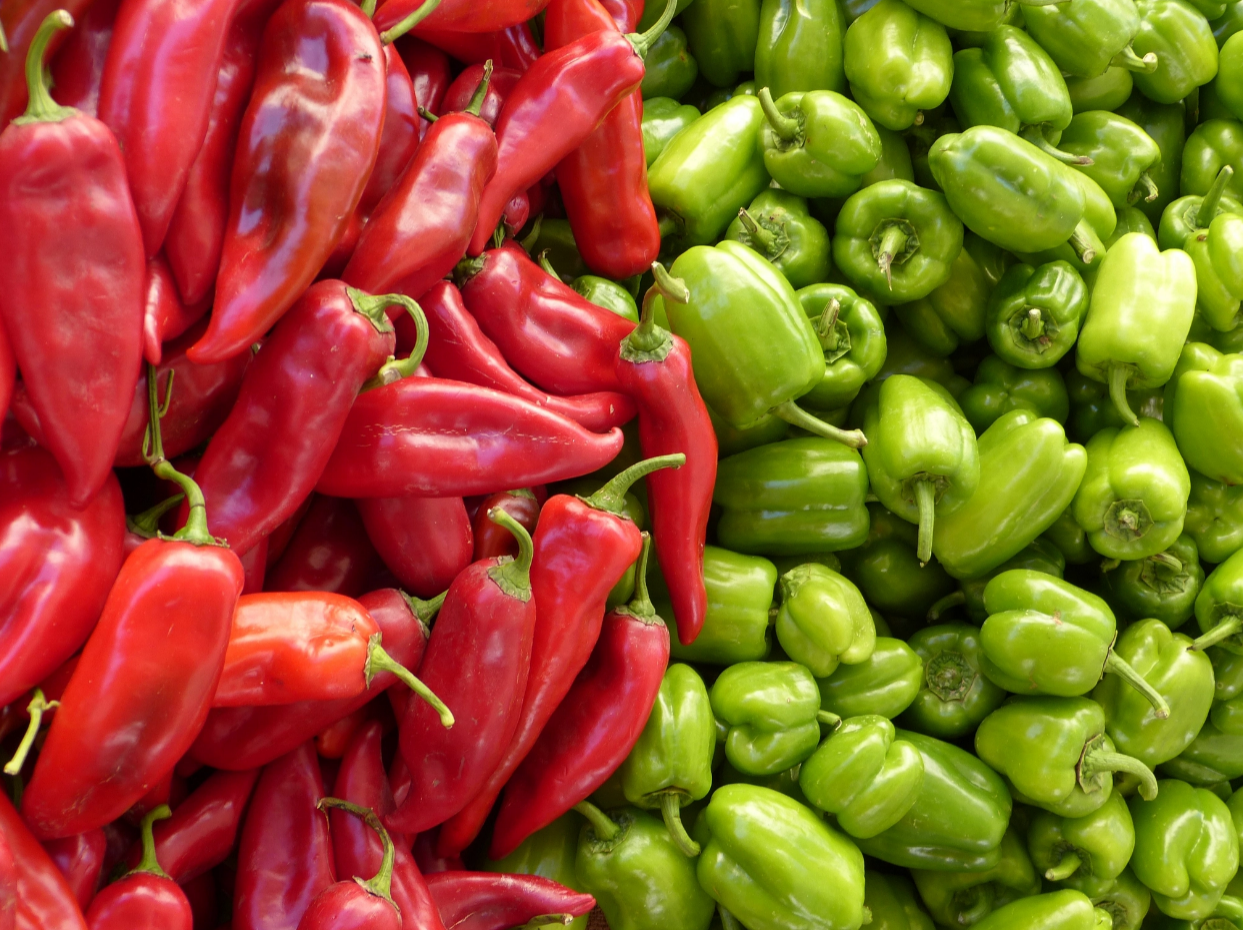
Overview Description Capsicums are tender, warm-season plants that are typically grown as annuals in temperate climates, though they can be perennial in tropical regions. The plants grow upright, reaching heights of 45-90 cm (18-36 inches), and exhibit a bushy habit with sturdy, branched stems that […]
Tomato – Growing Guide
Overview Description Tomatoes are among the most popular crops cultivated in gardens worldwide. Although commonly treated as an annual plant, tomatoes are botanically perennial in their native tropical and subtropical regions. However, in most temperate climates, they are grown as annuals due to their sensitivity […]
Eggplant (Aubergine) – Growing Guide
Overview Description Eggplants, also known as aubergines, are warm-season tropical perennial plants that are typically cultivated as annuals in temperate climates due to their sensitivity to frost. The plant has a bushy growth habit, often reaching heights of 60–120 cm (24–48 inches) depending on the […]
Garlic – Growing Guide
Overview Description Garlic is a hardy perennial plant, typically grown as an annual for its pungent bulbs, which are composed of multiple cloves encased in a papery sheath. The plant has an upright growth habit and can reach a height of 60 to 90 cm […]
Garden Cress – Growing Guide
Overview Description Garden cress is a herbaceous annual plant in the Brassicaceae family, closely related to watercress and mustard, sharing a similar peppery, tangy flavor profile. The plant typically reaches a height of 15-30 cm (6-12 inches) and has an upright, branching growth habit. Its […]
Kale – Growing Guide
Overview Description Kale is a hardy, leafy green vegetable that belongs to the Brassicaceae family, which also includes cabbage, broccoli, and cauliflower. Like collards, kale is a type of non-heading cabbage, meaning it doesn’t form a central head like traditional cabbages. While typically grown as […]
Zucchini – Growing Guide
Overview Description Zucchini is a variety of summer squash that grows on bushy, non-vining plants that typically reach 60-90 cm (24-36 inches) high and up to 1.2 meters (4 feet) wide. Their non-spreading, compact growth habit makes them ideally suited for smaller garden spaces. The […]
Radish – Growing Guide
Overview Description Radishes are fast-growing, annual or biennial root vegetables that are grown for their edible, roots and leaves. They are typically grown as annuals, and are fast growing, and can usually be harvested 3 to 6 weeks after sowing, making them ideal for successive […]
Silverbeet (Swiss Chard) – Growing Guide
Overview Description Silverbeet, also known as Swiss chard, is a leafy green vegetable that is not only nutritious but also highly ornamental, with vividly colored stalks that can be white, red, yellow, or pink in colour. The large, crinkly leaves resemble those of spinach but […]
Cucumber – Growing Guide
Overview Description Cucumbers are vigorous, warm-season annual plants with a vining growth habit, with 4-5 sprawling main stems that can extend up to 5 meters (16.4 feet) in length. Cucumbers have large, alternate leaves that are typically 3-7 lobed, with a rough, hairy texture. The […]
Asparagus – Growing Guide
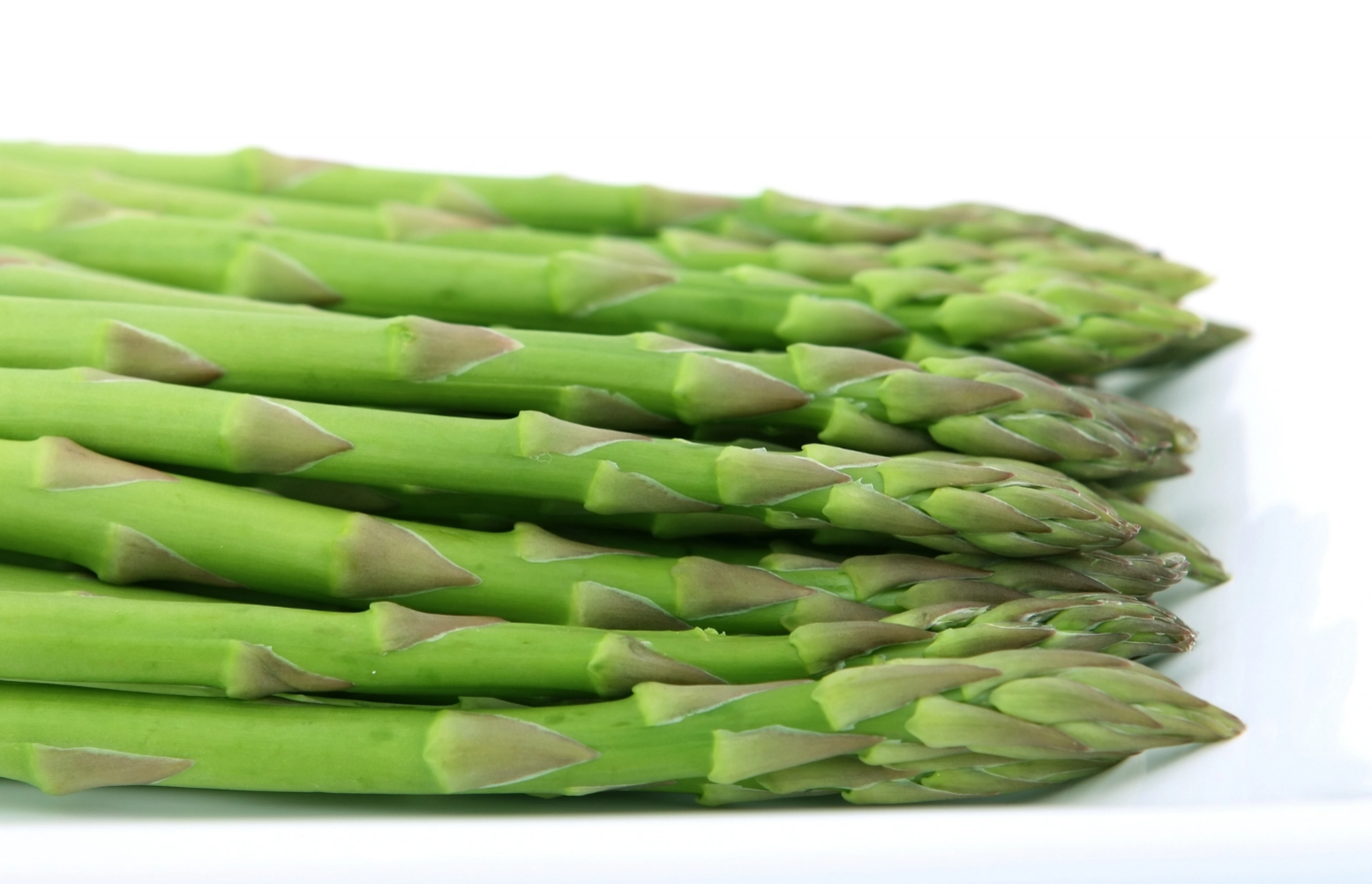
Overview Description Asparagus is a perennial plant cultivated for its young shoots, known as spears, which are consumed as a vegetable. Once established, asparagus can produce for over 15 years. The plant features tall, feathery, fern-like foliage growing from a crown that resides below the […]
Brussels Sprouts – Growing Guide
Overview Description Brussels sprouts are biennial plants typically grown as annuals. They are cultivated for their edible sprouts, which are round, leafy green buds resembling miniature cabbages. These sprouts are light green to blue-green in color and grow in a spiral arrangement along the plant’s […]
How To Regrow Vegetables and Herbs from Kitchen Scraps
Regrowing vegetables and herbs from kitchen scraps is a sustainable and rewarding way to maximize your produce and reduce waste. While not all kitchen scraps will successfully regrow into new plants—due to factors such as growing conditions and the freshness of the scraps—the process itself […]
Bush Beans – Growing Guide
Overview Description Bush beans are annual plants that form compact bushes, usually growing up to 30-60 cm (12-24 in) tall. The leaves are trifoliate with rounded leaflets, and the plant produces clusters of flowers that develop into long, slender pods. The pods contain the edible […]
Climbing Beans – Growing Guide
Overview Description Climbing beans are vigorous annual plants that grow by twining around supports. They can reach heights of 2-4 meters (6-13 ft). The plant features long, slender green pods, and it typically produces white, pink, or purple flowers. Climbing beans are highly productive and […]
Peas – Growing Guide
Overview Description Peas are annual herbaceous legumes cultivated for their edible seeds and pods. As annuals, they complete their life cycle within one growing season. Pea plants can have either a bushy or climbing growth habit, typically reaching heights of 30-200 cm (1-6 ft), depending […]
Spinach – Growing Guide
Overview Description Spinach is an annual leafy green vegetable that can reach up to 30 cm (12 in) in height. The plant produces a rosette of dark green leaves that are either smooth or slightly crinkly depending on the variety. Spinach plants grow quickly, producing […]
Lettuce – Growing Guide
Overview Description Lettuce is an annual plant commonly grown as a leaf vegetable. It typically reaches 15-30 cm (6-12 in) in height, forming a dense head, or loose rosette of leaves that are larger at the base and become progressively smaller in size towards the […]
Celery – Growing Guide
Overview Description Celery is a biennial vegetable commonly grown as an annual, featuring fleshy, upright, fibrous stalks reaching a height of 40-60 cm (16-24 in). The plant has pinnate, finely divided leaves. In its second year the plant produces clusters of small, creamy-white flowers arranged […]
Cabbage – Growing Guide
Overview Description Cabbage is a biennial vegetable grown as an annual. Its has a short stem bearing rosettes of tightly packed, waxy leaves that wrap around a round, compact head or “heart” consisting of multiple layers of thick, sturdy leaves that grow in a tightly […]
Cauliflower – Growing Guide
Overview Description Cauliflower is an annual cool-season vegetable with a rosette of large, coarse, bluish-green leaves growing from a thick central stem. The edible part of the plant is a dense cluster of undeveloped flower buds known as the “curd.” The curd is usually white […]
Carrots – Growing Guide
Overview Description Carrots are biennial root vegetables, but they are commonly grown as annuals for their edible taproots. They have a rosette of 8-12 finely divided, feathery leaves with a fern-like appearance, reaching heights of 30-60 cm (12-24 in). The root can range from 15-30 […]
Broccoli – Growing Guide
Overview Description Broccoli is an annual plant cultivated for its edible flower heads and stalks. It grows a thick, fibrous stalk topped with a dense cluster of green flower buds known as the “head.” The plant can reach a height of up to 1 m […]
Beetroot – Growing Guide
Overview Description Beetroot is a biennial plant cultivated as an annual. It grows an upright rosette of broad, heart-shaped leaves that are dark green with red or purple veins. The round or cylindrical root develops underground and can vary in size, reaching up to 10 […]
Amaranth – Growing Guide
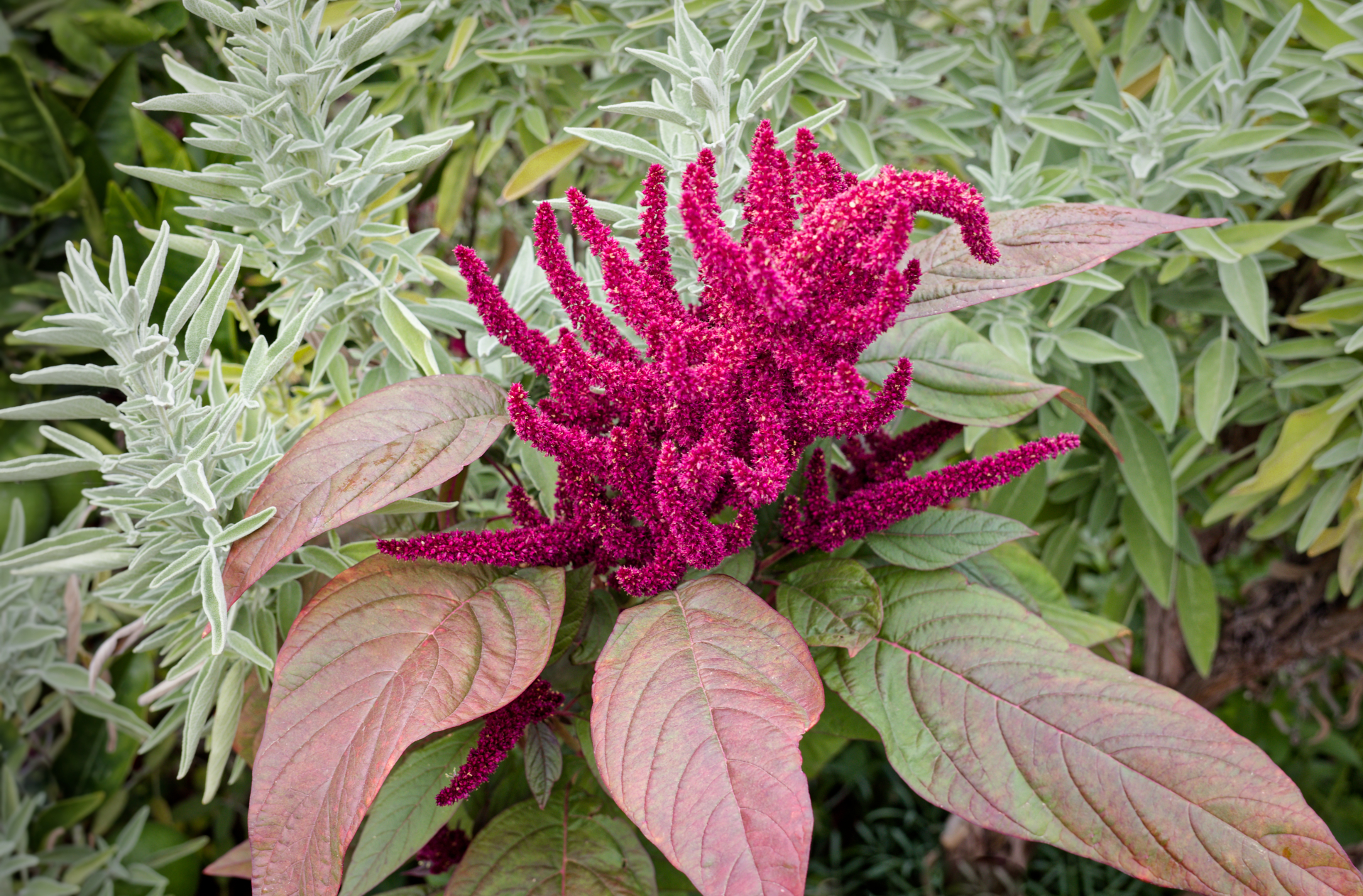
Overview Description Amaranth plants belong to the genus Amaranthus, which encompasses a diverse group of annual and perennial plants known for their edible leaves, seeds, and vibrant flowers. These plants are cultivated worldwide for their nutritional value and ornamental beauty. When used for food, they’re […]
Broad Beans – Growing Guide
Overview Description Broad beans (Vicia faba), also known as fava bean, are annual legumes that grow as an upright, bushy plant reaching 0.6-1.5 meters (2-5 ft) in height. Plants often have multiple stems growing from the base. The stems are square in cross-section and slightly […]
Why Do Bean Plants Develop White Spots on Their Leaves, And Is It a Problem?
During the summer season, bean plants may become unhealthy looking, with a mottled or stippled pattern of tiny whitish speckled spots, short streaks or short lines on the upper surface their leaves. These affected leaved may eventually turn yellow, then brown, and become dry and […]
How to Grow a Choko Vine from a Fruit
The choko or chayote (Sechium edule) is a vigorous, herbaceous perennial vine from the Cucurbitaceae (gourd or cucumber) family, that is native to Central America, but is now cultivated in many parts of the world. Choko fruit are light green in colour and are variable […]
Why Are My Tomatoes Cracking and Splitting?
Fruit cracking is a common problem in tomatoes when there is a wide fluctuation in soil moisture levels, which leads to inconsistent water content within the plant. This is usually caused by huge temperature variations and/or inconsistent irrigation. The cracking or splitting of tomato fruit […]
Why Are My Tomatoes Not Ripening?
Tomatoes require a sufficiently long growing season and suitable temperatures in order to ripen their fruit, otherwise the fruit may stay green and fail to ripen. When growing conditions are less than ideal, there are ways for gardeners to turn things in their favour, to […]
How To Save Tomato Seeds For Planting Next Year
Tomatoes can be grown quite easily from seed, and you can use seeds collected from tomatoes you’ve grown yourself, or from ones you’ve purchase from the greengrocer! There are a few tricks to saving tomato seeds, as they are wet seeded crops, which have seeds […]
Why Are My Tomatoes Flowering But Not Setting Fruit?
It’s quite disappointing for gardeners when healthy and vigorous tomato plants,drop their flowers and fail to produce fruit after a good growing season. Tomato plants have what are described as complete flowers, they contain both the male and female parts within the same flower. The […]
Selecting the Right Size Pot or Container for Growing Vegetables
Container gardening is a great way to grow vegetables when there is no space left in the garden beds, or when space is limited, such as in a courtyard or balcony. When growing in a pot or container, the three main requirements are: The container […]
Are Rainbow Tomato Seeds Fake? Garden Mythbusting
Gardeners are usually enticed by the exotic, the more unusual something is, the more attractive it seems! There are a few online stores selling seeds for rainbow tomatoes, claiming they will produce many different vivid colours of tomatoes from the same plant. Have a look […]
How Many Hours of Sun Do Vegetables and Herbs Need to Grow?
The amount of light that vegetables and herbs require varies, depending on the type of plant. We can make most of available garden spaces by observing which areas are in full sun and part shade, both during summer and winter, and then selecting the right […]
A Better Way to Stake Up and Support Vegetables in Pots
Many gardeners grow vegies in pots, tubs, planters, and self-watering pots. Container gardening is an excellent solution when space is limited or more growing area is required. When growing climbing vegetables such as beans and peas, indeterminate (vining) tomatoes, pumpkins, cucumbers, and zucchini in pots, […]
Why Are My Cabbages Not Forming Heads?
When cabbages are first planted they initially produce lots of large broad leaves, but in the latter part of their growing season the inner leaves at the centre of the plant begin curling inwards and cupping around a short-thick stem, growing tightly together to form […]
The Fastest Way to Transplant Volunteer Seedlings with Minimum Root Disturbance
It’s always a great idea to let vegetables such as lettuce to go to seed, because a single plant can produce hundreds of seeds, resulting in lettuce seedlings popping up all around the garden. Plants that grow on their own, that weren’t intentionally planted, are […]
How to Plant, Grow and Harvest Potatoes
Potatoes (Solanum tuberosum) are a herbaceous, perennial, root-crop plant from the Solanaceae (Nightshade) family that grow to around 60cm (24”) high, and are native to Central and South America. They originated in the Andean highlands almost 10,000 years ago, but have naturalised widely and spread […]
Beginner’s Guide to Vegetable Gardening – Part 5, How to Plant Seedlings
How to Plant Seedling in Six Easy Steps Once we’ve selected the appropriate seedlings that are in season, it’s seedling planting time! In this article we’ll cover the fundamentals of seedling planting, the procedure is very simple and much easier than sowing seeds. If you’re […]
Tomato Lower Leaves Yellowing and Dropping with Leaf Loss Moving Upwards
Tomatoes grow well during warmer weather, and that is expected since they are subtropical plants native to western South America and Central America. In cool to temperate climates tomatoes are grown as annuals, since they start to decline as temperatures drop in late autumn to […]
Plant Diseases – White or Tan Spots on Brassica Leaves
White leaf spot is a fungal disease of cruciferous vegetables (brassicas) caused by the pathogen Mycosphaerella capsellae, which is also known as Pseudocercosporella capsellae. The distribution of this disease pathogen is worldwide, it can be found in many countries with temperate climates, where brassicas are […]
Beginner’s Guide to Vegetable Gardening – Part 4, How to Sow Seeds Directly Into the Ground and Into Seedling Trays
Sowing Seeds Directly Into the Ground or Into Seedling Trays Once we’ve selected the appropriate seeds or seedlings that are in season, it’s seed sowing or seedling planting time! In this article we’ll cover the fundamentals of seed sowing, the procedure is quite straightforward and […]
Beginner’s Guide to Vegetable Gardening – Part 3, When to Sow Seeds and Plant Seedlings
Sowing Seeds and Planting Seedlings at The Right Time of the Year Once you’ve selected a good location to start a food garden, and prepared the soil in the garden bed to make it suitable for growing plants, the next step is to plant it […]
Beginner’s Guide to Vegetable Gardening – Part 2, How to Prepare the Soil
Preparing the Soil for Growing Food The secret to successful food gardening is rich, healthy soil. What goes into the soil goes into the food coming out of it! Plants take mineral nutrients and water from the soil, along with carbon dioxide from the air […]
Beginner’s Guide to Vegetable Gardening – Part 1, Selecting a Location for a Food Garden
Sometimes governments do give sound advice to their nations… During World War I and World War II, in a an effort to reduce the public demand on food supplies and leave more food to send to the soldiers fighting overseas, governments encouraged their people to […]
A Gardener’s Guide to Identifying Different Chilli Species
Chilli peppers (Capsicum species) are members of the Solanaceae (Nightshade) family, along with tomatoes, eggplants and potatoes. They are native to the warm climates of South America and Central America, and they’re perennial plants in tropical and subtropical climates, but are grown as warm season […]
Seed Saving – How Long Can You Keep Seeds?
The practice of saving seeds is as old as agriculture itself, and dates back to over 10,000 years ago. Early human civilizations harvested seeds and selectively bred crop plants to create domesticated varieties which displayed specific desirable traits. Saving seeds has many benefits in the […]
Layering Overgrown Tomato Plants
Indeterminate (vining) tomatoes are very vigorous growers, and if they’re neglected they can easily become overgrown, with multiple tangled branches sprawling across the ground. If this happens to your tomato plants, all is not lost. In fact, you can take advantage of the situation to […]
How to Prune Vining Tomatoes for Small-Space Intensive Growing
Want to grow lots of tomatoes in limited spaces, even containers? Ever wondered how the commercial hydroponic growers pack in as many plants as possible in their growing areas? By understanding the way tomatoes grow, we can select the right plants and utilise their growth […]
Crop Rotation Systems for Annual Vegetables
The great thing about gardening with annual vegetables is that it’s very cheap to get started and the plants grow very quickly, so gardeners get to see (and taste) the results of their efforts in a very short time. Some gardeners get discouraged after a […]
Starting Annual Vegetable Seedlings Indoors
In a cold climate, such as in Melbourne, Australia, the summer is never quite long enough to grow all your summer annuals vegetables, such as tomatoes, chillies, capsicums and so on. The best way to get a long productive season is to start the seedlings […]
How to Graft Eggplant onto Devil Plant
A veriety of “Devil Plant” , giant devil fig Solanum chrysotrichum for grafting eggplant Would you like to grow an eggplant tree, yes you heard right, a tree, that can produce dozens of eggplants, and not die down in winter? Well, you can if you […]